
This paper examines the synergies and opportunities for cooperation between Distribution System Operators (DSOs) and cities, advocating the development of joint city-grid Interfaces as a tool to overcome existing barriers of the energy transition. For DSOs, closer collaboration with cities can improve demand visibility, support more efficient grid planning, and unlock new approaches to managing increasingly complex local energy systems.
Local grids are critical for delivering green and affordable energy to households and businesses, yet the current state of European grids risks becoming the number one bottleneck for electrification in the future. Given that 40% of the grid is over 40 years old, increasing electrification can cause significant issues of grid stability and availability as well as congestion.
More than 75% of the EU’s population lives in cities, where energy demand is highest and grid constraints are already emerging. In some urban areas, delays in grid connections and limits to infrastructure expansion are affecting residential and commercial activities. While investment remains essential, enhanced cooperation between cities and DSOs can play a critical role by improving demand forecasting, enabling anticipatory planning, streamlining permitting, accelerating project delivery, and strengthening grid resilience. Cities can also provide flexibility services and help unlock new business models.
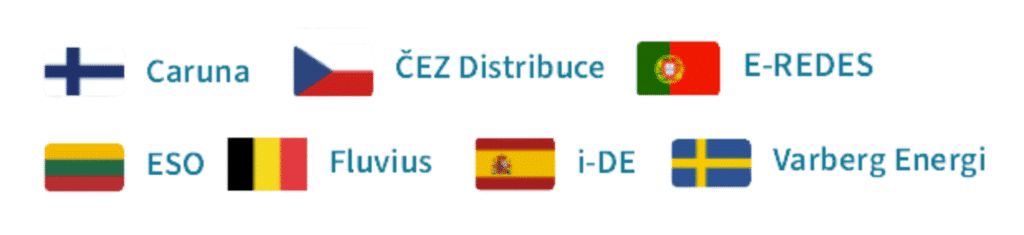
Through the COPPER Project, E.DSO interviewed seven European DSOs exploring collaboration with local authorities. The paper presents concrete examples of such cooperation, draws key lessons, and builds on them to propose the City-Grid Interface (CGI) as a practical way forward.
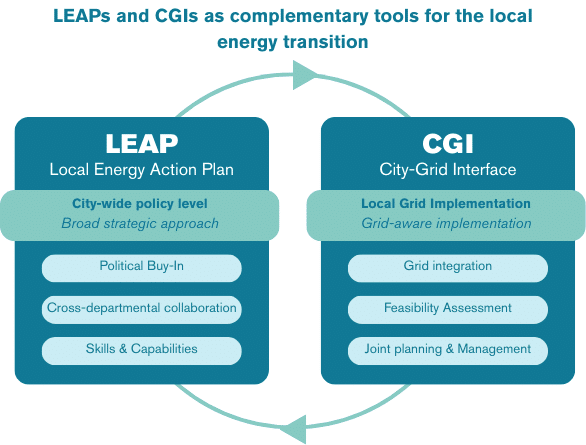
The CGI is a core component of Local Energy Action Plans (LEAPs), providing a structured framework to translate city-level strategies into grid-aware, implementable actions. While LEAPs define the local energy transition from a policy perspective, the CGI translates these policy ambitions into concrete actions that can be implemented within the local grid.
Read the full executive summary here.